Empty Premises, Active Duty: Asbestos Control in Void UK Commercial Units
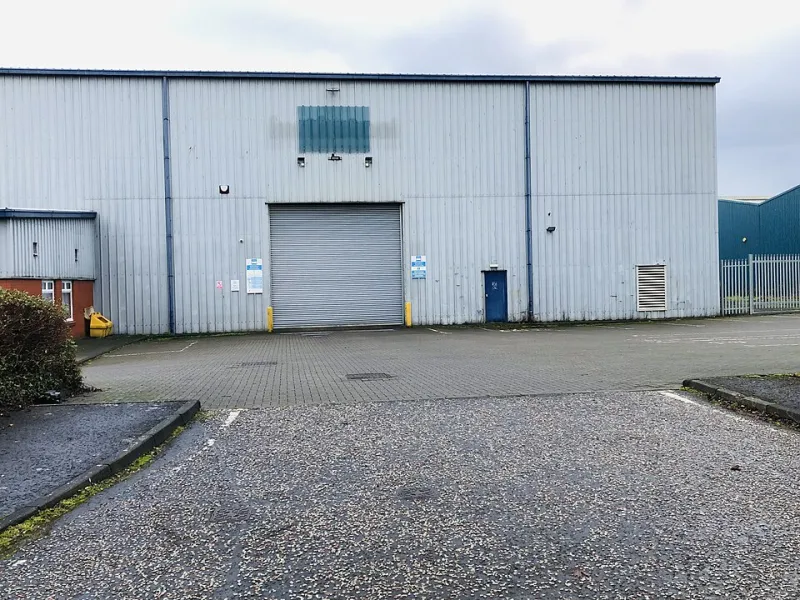
Photo: Richard Webb , CC BY-SA 2.0, via Wikimedia Commons
The duty does not leave with the tenant
When a commercial unit becomes vacant, the electrics may be isolated and the signage removed, but the legal duty to manage asbestos does not switch off. Under the Control of Asbestos Regulations 2012, the person responsible for maintenance and repair of non-domestic premises must manage asbestos risk. In a void unit, that is usually the owner, landlord or managing agent, even where a lease has ended or a new lease has not begun. Mixed-use buildings add another layer: communal stairs, service risers and shared plant rooms may fall within the landlord's control.
Owners should identify who holds the duty during the void, record it and ensure the asbestos register and action plan remain available. If the unit is managed by an agent, the arrangement should be in writing. A vacant unit with no named duty holder is a governance gap, not a neutral state.
Why void periods carry elevated risk
Occupied buildings generate daily observations: staff notice leaks, damage and unfamiliar contractors. Empty units do not. A burst pipe, break-in or fly-tipped waste can go unnoticed for days. Unauthorised access is a particular concern. Former tenants, contractors, squatters or opportunistic visitors may enter and disturb asbestos-containing materials through vandalism, stripping of fittings or improvised works. Even routine maintenance, such as repairing a roof leak or replacing a distribution board, can become intrusive if the fabric of the building is in poor condition.
Refurbishment risk is often underestimated. A landlord may assume that no works are planned until a new tenant is found. In reality, viewings, marketing repairs, landlord's works and tenant fit-outs can begin quickly. A management survey is designed to locate asbestos that is accessible during normal occupation; it is not sufficient to inform intrusive refurbishment or demolition. If walls, ceilings, partitions or services are to be disturbed, a refurbishment and demolition survey is needed before work starts.
Securing and monitoring the unit
The first control is physical. Void units should be secured, alarmed where appropriate and inspected on a defined schedule. Inspection records should note damp, leaks, fire damage, vandalism, unauthorised entry and changes to the building fabric. Any damage to materials known or presumed to contain asbestos should be reported promptly and assessed by a competent person.
Signage and access control matter. Where asbestos-containing materials are present, warning signs should be displayed in accordance with the register, and access to plant rooms or service areas should be controlled. Keys should be held by named individuals, and contractors should not be allowed to work from informal instructions. A simple permit system, backed by asbestos awareness and a site-specific briefing, reduces the chance that a maintenance task disturbs hidden material.
Commissioning the right survey before works
The trigger for a refurbishment and demolition survey is the work, not the lease event. If the void period will involve strip-out, layout changes, ceiling removal, re-wiring, plumbing alterations or demolition, the survey should be commissioned before contractors price or start. The scope should be agreed with the designer or project manager and should cover all areas that will be disturbed, including risers, voids and inaccessible spaces where reasonable access can be created.
Where only minor, non-intrusive works are planned, a management survey and register may be sufficient, provided it is current and the condition of materials has been checked. If the survey is old or the unit has suffered water damage or unauthorised works, a re-inspection is prudent. The output should be a clear report with drawings, sample results, risk ratings and recommendations that contractors can use.
Handing the unit back safely
Before a new occupier takes possession, the landlord should assemble an asbestos handover pack. It should include the current register, survey reports, drawings, action plan, records of any remedial or removal work and confirmation that outstanding actions have been completed or scheduled. Where asbestos-containing materials remain, the pack should explain their location and condition, and the new occupier should be briefed on access and contractor controls.
The handover should also address the duty to manage. A new lease may transfer responsibility for certain areas, but the landlord often retains control of common parts and structure. The asbestos information should be shared before fit-out begins, not after. Practical steps include a handover meeting, a signed acknowledgement of the register and a clear process for updating records if works take place.
A void is not a vacuum
Empty space still requires management. The most effective approach is to treat each void period as a short project with named responsibilities, inspection records and a survey trigger. DG Asbestos Compliance works with property owners and facilities teams to review void units, commission refurbishment and demolition surveys and prepare handover packs that protect the next occupier and the landlord. The objective is straightforward: no uncontrolled access, no uninformed works and no missing records at the point of handover.