DG Asbestos Compliance Survey, compliance and safe removal, done properly.

DG Asbestos Compliance

Survey, compliance and safe removal, done properly.

Latest Articles

Racking Changes, Fabric Risks: Asbestos Control in UK Warehouse Reconfiguration
Asbestos Risk Management

Racking Changes, Fabric Risks: Asbestos Control in UK Warehouse Reconfiguration

Warehouse reconfiguration is often planned as a logistics exercise, with racking, mezzanines and picking routes treated separately from the building fabric. This article sets out why the asbestos duty holder must bring the structure into the project scope, and how a practical pre-reconfiguration protocol can keep works compliant, live operations safe and waste records defensible.


Weight of Evidence: Asbestos Records in the Building Safety Case
Compliance Guidance

Weight of Evidence: Asbestos Records in the Building Safety Case

For principal accountable persons, the asbestos file must do more than satisfy a survey obligation. It needs to show how risks in common parts are known, prioritised and controlled within the building safety case. This review sets out the cross-checks that make that evidence defensible in 2026.

Asbestos Risk Management

Standing Guard Over Standby Plant: Asbestos Control in Mothballed UK Boiler Houses

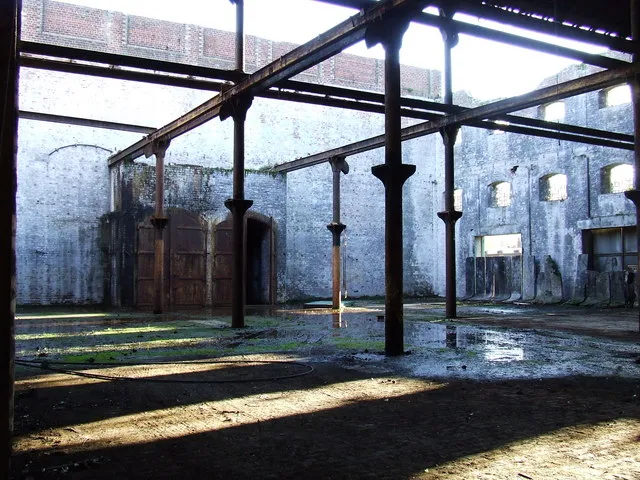
Mothballed boiler houses and redundant plant areas are easy to overlook: access is restricted, routine maintenance has stopped and the space no longer feels operational. Yet lagged pipework, flues, gaskets and insulation boards can remain in place long after the plant has gone quiet. This article explains why dormant plant rooms become a compliance blind spot and sets out a practical control sequence for UK property owners and facilities teams.

Absolute Duty, Sensible Scale: Asbestos Compliance for Small UK Commercial Premises
Compliance Guidance

Absolute Duty, Sensible Scale: Asbestos Compliance for Small UK Commercial Premises

The duty to manage asbestos applies to small UK business premises as much as to large estates, but the response can be proportionate. This guide sets out the practical baseline for SMEs: identifying the dutyholder, commissioning the right survey, keeping usable records, and controlling staff and contractor activity without building an unnecessary bureaucracy.

Where One Building Ends and Another Begins: Asbestos Duties Across Shared UK Structures
Compliance Guidance

Where One Building Ends and Another Begins: Asbestos Duties Across Shared UK Structures

Shared walls, floor slabs, service risers and roof structures can turn a straightforward asbestos project into a multi-occupier compliance exercise. This guidance sets out how dutyholders can define boundaries, coordinate access and retain evidence that work in one unit has not compromised its neighbours.

The Last Mile of Removal: Making the Asbestos Waste Trail Defensible
Compliance Guidance

The Last Mile of Removal: Making the Asbestos Waste Trail Defensible

Removal work is only as strong as the paperwork that follows the waste off site. This guidance explains how facilities managers and principal contractors can verify consignment notes, carrier and consignee credentials, and packaging labels so the asbestos file stands up to scrutiny.

The Transfer Test: Keeping Asbestos Control Intact Through an FM Contract Change
Asbestos Risk Management

The Transfer Test: Keeping Asbestos Control Intact Through an FM Contract Change

Facilities management contracts change; the duty to manage does not. This article sets out a practical handover protocol for UK dutyholders — verifying the asbestos trail, transferring live controls, briefing the incoming team and proving the management plan still works after mobilisation.

Paper Promises, Proven Practice: Due Diligence When Appointing an Asbestos Contractor
Compliance Guidance

Paper Promises, Proven Practice: Due Diligence When Appointing an Asbestos Contractor

A polished tender is not evidence of competence. This guide sets out how property owners and facilities managers can verify accreditation, licensing, insurance, waste controls and contractual arrangements before appointing an asbestos contractor in the UK.

Evidence Before Cover: Assembling an Asbestos File UK Insurers Will Accept
Asbestos Risk Management

Evidence Before Cover: Assembling an Asbestos File UK Insurers Will Accept

UK insurers increasingly ask for evidence of asbestos management before quoting or renewing commercial property cover. A thin file can turn a routine water or fire claim into a disputed one. This guide explains what underwriters look for and how to assemble a credible evidence pack.

The Roof Is Part of the Array: Asbestos Assurance for UK Commercial Solar Projects
Compliance Guidance

The Roof Is Part of the Array: Asbestos Assurance for UK Commercial Solar Projects

Rooftop solar projects are often planned around structural capacity, grid connection and payback, while the roof itself remains an afterthought. This article sets out a pre-installation asbestos assurance sequence for UK commercial PV schemes, from targeted surveys and penetration planning to contractor hold points and a defensible handover file.

The Sufficiency Question: Agreeing an Asbestos Sampling Scope That Holds Up Under Scrutiny
Compliance Guidance

The Sufficiency Question: Agreeing an Asbestos Sampling Scope That Holds Up Under Scrutiny

A survey report is only as dependable as the sampling plan behind it. This article explains how material variation, extent and access constraints shape sampling sufficiency, and gives facilities managers a practical framework for agreeing scope before intrusive work begins.

Charging Infrastructure, Existing Fabric: A Pre-Installation Asbestos Protocol for UK Estates
Compliance Guidance

Charging Infrastructure, Existing Fabric: A Pre-Installation Asbestos Protocol for UK Estates

EV charge-point projects often begin with cable routes and mounting points rather than a review of the building fabric. This article sets out a practical pre-installation sequence for UK facilities managers in 2026, from survey scoping and contractor coordination to permit controls and close-out records.

Rain, Rust and Reinforced Cement: Bringing External Asbestos Assets Under Control
Asbestos Risk Management

Rain, Rust and Reinforced Cement: Bringing External Asbestos Assets Under Control

Asbestos cement roofs, gutters and downpipes are frequently treated as a low-risk irrelevance because they sit outside the building envelope. In practice, weathering, blocked outlets, storm damage and poorly supervised maintenance are the very conditions that turn intact cement into a fibre-release problem. This article sets out a proportionate regime for inspection, contractor control, repair-versus-removal decisions and compliant disposal.

After Hours, Before Action: An Asbestos Decision Framework for Emergency Repairs
Asbestos Risk Management

After Hours, Before Action: An Asbestos Decision Framework for Emergency Repairs

Burst pipes, fire damage and break-ins rarely wait for office hours, but the duty to manage asbestos does not pause at 5pm. This practical framework helps UK facilities teams triage urgent incidents, isolate risk and engage the right contractor without turning a necessary repair into an uncontrolled asbestos incident.

The Unsurveyed Space: Turning No-Access Findings into a Defensible Management Plan
Asbestos Risk Management

The Unsurveyed Space: Turning No-Access Findings into a Defensible Management Plan

A survey report marked 'no access' is not a closed matter. For UK dutyholders, every locked riser, sealed void or occupied tenant area represents an active management obligation that must be recorded, reasoned and revisited. This article explains how to convert survey gaps into a proportionate, evidence-backed plan.

Beyond the Certificate: Making Asbestos Awareness Briefings Work on Live UK Sites
Asbestos Risk Management

Beyond the Certificate: Making Asbestos Awareness Briefings Work on Live UK Sites

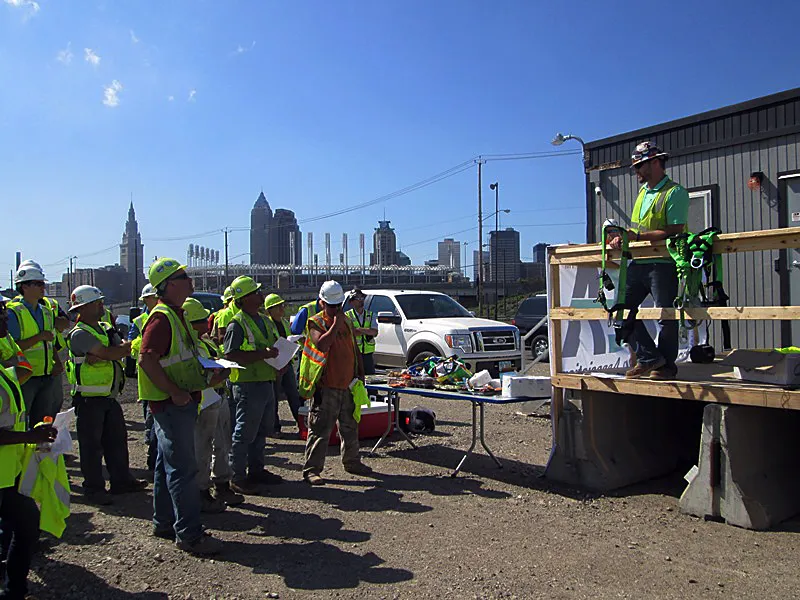
A half-day awareness course proves attendance, not awareness. This article argues that generic training must be paired with a short, site-specific briefing anchored to the asbestos register, known hot spots, permit controls and unambiguous stop-work triggers — and sets out a model facilities teams can deliver at induction.

The Cost of a Presumption: Decoding Asbestos Liabilities in UK Commercial Leases
Compliance Guidance

The Cost of a Presumption: Decoding Asbestos Liabilities in UK Commercial Leases

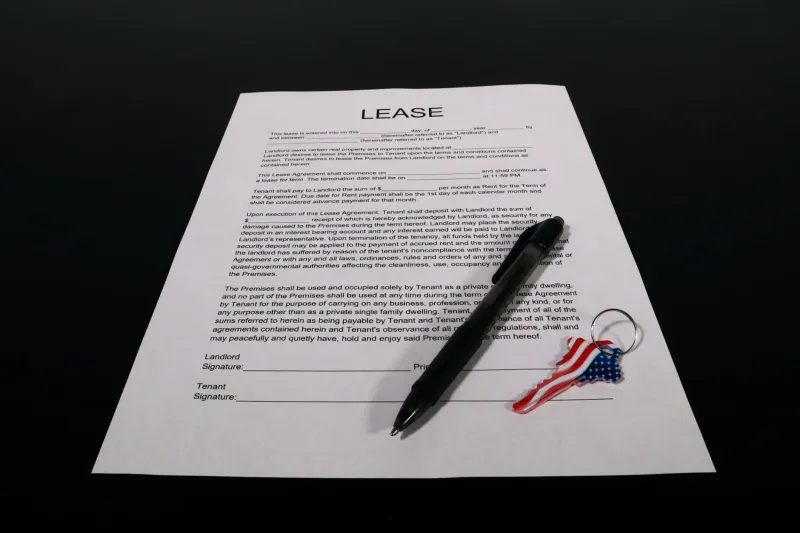
A register entry marked 'presumed' describes a condition; it does not decide who pays to deal with it. This guide examines how repairing covenants, service charge schedules and alteration clauses allocate asbestos costs in UK commercial property, and sets out a pre-signature checklist for landlords, tenants and facilities teams.

What the Report Really Says: A Property Manager's Guide to Asbestos Survey Findings
Asbestos Risk Management

What the Report Really Says: A Property Manager's Guide to Asbestos Survey Findings

An asbestos survey report is not a clean bill of health or a simple list of problems; it is a set of findings with caveats, limitations and actions. This guide explains how to read the report accurately, avoid common misinterpretations, and convert its conclusions into a defensible management plan.

Before the Insulation Goes In: Asbestos Checks That Must Precede UK Retrofit Works
Compliance Guidance

Before the Insulation Goes In: Asbestos Checks That Must Precede UK Retrofit Works

Retrofit programmes are accelerating across the UK in 2026, but insulation, glazing and heating upgrades can disturb asbestos-containing materials in older buildings. This guidance sets out why refurbishment surveys must come first, where retrofit interfaces carry the greatest risk, and what dutyholders should document before contractors arrive.

Pre-Works Intelligence: Getting Refurbishment Surveys Right on UK Upgrade Projects
Compliance Guidance

Pre-Works Intelligence: Getting Refurbishment Surveys Right on UK Upgrade Projects

A management survey keeps an occupied building compliant, but it rarely gives contractors the detail they need once strip-out begins. This guidance explains when intrusive refurbishment and demolition surveys are required, how to commission them around live operations, and where projects most often come unstuck.