The Roof Is Part of the Array: Asbestos Assurance for UK Commercial Solar Projects
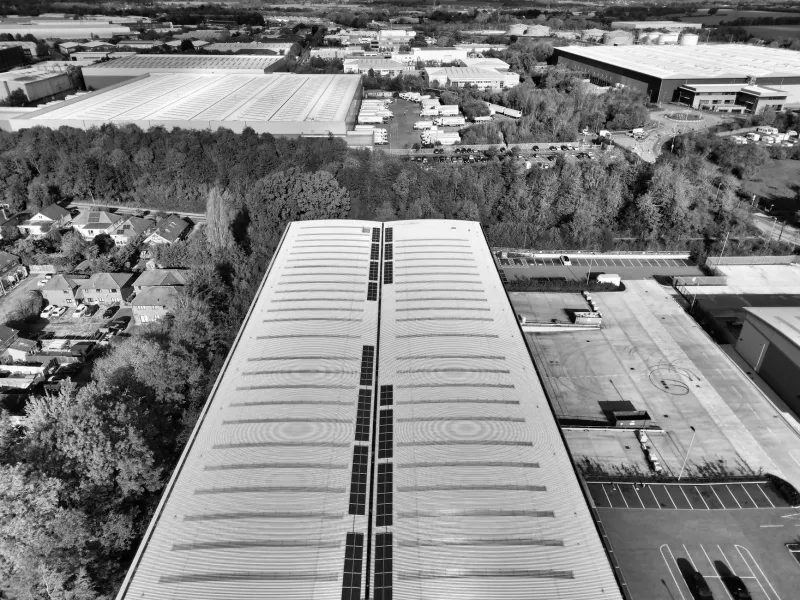
Rooftop solar is now a standard part of the UK commercial property decarbonisation plan. Landlords, occupiers and asset managers are rightly focused on structural loading, inverter locations, grid capacity and the commercial case for generation. The asbestos question, however, frequently arrives late — after the feasibility study has been signed off and the mounting design is already taking shape.
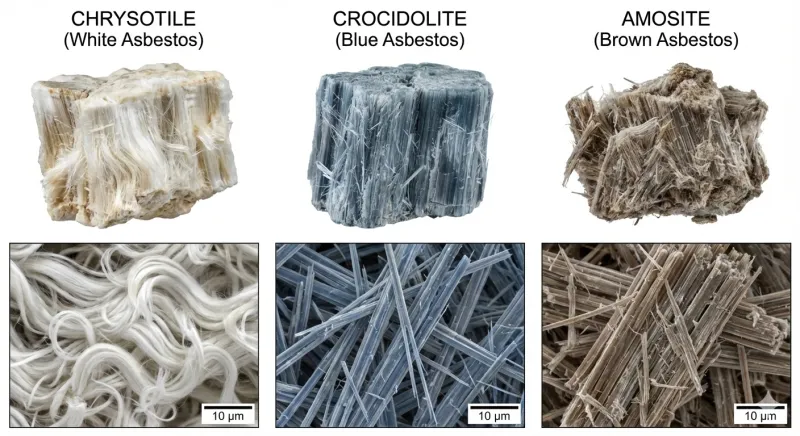
That sequencing is the wrong way round. On many UK commercial buildings, the roof is not a blank platform. It may contain asbestos cement sheets, asbestos-containing gutter linings, old flue penetrations, insulation residues or other materials that are difficult to see from ground level. A solar installation brings people onto that roof, fixes equipment to it, drills through it and routes cable through the building. Each of those activities can turn a passive asbestos-containing material into a disturbance risk.
The aim is not to make solar projects slower by default. It is to make the asbestos evidence arrive early enough that the solar design, the works programme and the dutyholder's records all remain aligned.
Begin with the roof, not the render
A PV feasibility study should treat the roof as a regulated asset, not simply a surface area. The first step is a documentary review: the existing asbestos management survey, any refurbishment or demolition surveys, previous removal records, maintenance logs and drawings. Those documents should be tested for age, scope and no-access areas. A management survey completed years ago, with several locked plant rooms and no roof access, is not a sound basis for a project that will involve extensive roof work.
Where the evidence is incomplete, commission a targeted refurbishment survey of the areas affected by the solar works. The scope should be defined by the installation, not by a generic room list. It should cover the roof covering and underside, eaves, upstands, parapets, roof lights, plant supports, existing penetrations, access routes, cable paths and the internal spaces through which services will run. The surveyor should be competent to assess the materials present and should clearly record any areas that remain inaccessible.
Read the roof as a working surface
Asbestos cement roof sheets are common on UK industrial and commercial buildings. They are also brittle, weather-affected and easily damaged by foot traffic, concentrated loads or poorly controlled drilling. The fact that asbestos cement is often outside the licensing regime does not make it a low-concern material in practice. Work with asbestos cement can still generate fibres, and some tasks may fall within notifiable non-licensed work depending on the material and the method used.
The solar design should therefore avoid unnecessary penetration. Where clamps, ballast or non-penetrative mounting systems are technically suitable, they may reduce disturbance. Where penetration is unavoidable, the method statement should address how the material will be controlled: wet suppression where appropriate, controlled break-out, local exhaust ventilation, segregation of waste and cleaning of the work area. Roof access arrangements should also be considered, because fragile roof surfaces and asbestos cement sheets present a combined safety and disturbance risk.
Close the coordination gap
Solar contractors are not asbestos specialists, and asbestos consultants are not PV designers. The project needs a deliberate interface between them. Under CDM 2015, relevant information about asbestos must be passed to the principal designer and principal contractor, and it must be understandable to the people doing the work.
A practical control is a documented hold point: no drilling, coring, cable routing or roof fixing until the asbestos survey has been reviewed against the final mounting layout and the results have been communicated to the installation team. The hold point should be recorded, not merely discussed on site. It should identify who has reviewed the survey, what design changes were made to avoid disturbance, and what controls apply where disturbance cannot be avoided.
The solar contractor's induction should cover the asbestos register, the location of known or presumed materials, the stop-work procedure and the arrangements for reporting unexpected finds. A worker who suspects a material has been disturbed should have a clear route to stop the task without fearing commercial pressure.
Look beyond the mounting rails
Asbestos risk on solar projects is not confined to the roof sheet. Cable routes can pass through ceiling voids containing asbestos-containing ceiling tiles, pipe lagging or fireproofing. Inverter and isolation equipment may be mounted in plant rooms where asbestos-containing materials are present. Roof access hatches, lightning protection and new containment systems can all create penetrations in unexpected places.
The pre-installation survey and the solar design should therefore be read together. A mounting plan that avoids roof penetration but routes cable through an asbestos-insulated riser has not solved the problem; it has moved it. The same applies to external works that disturb soffits, fascias or old gutter systems.
Build the document trail before work starts
The compliance value of a solar project lies as much in its records as in its equipment. The tender or contract documentation should require the solar contractor to work to the asbestos survey, to stop and report if conditions differ, and to provide method statements, training records and waste documentation where removal or disturbance is involved. Any removal of licensable asbestos must be carried out by a licensed contractor, and the project programme should reflect that reality rather than treating it as a late variation.
At handover, the asbestos register should be updated with the new penetrations, fixings and any materials removed or encapsulated. Photographs, waste consignment notes, clearance documentation where applicable and as-built information should be added to the property file. The next person to work on that roof — whether a maintenance engineer, a roofing contractor or a future solar installer — should be able to see what was done and where.
A defensible sequence
For UK commercial PV projects, a workable sequence is straightforward: review the existing asbestos information; commission targeted survey work where the evidence is incomplete; design out disturbance where possible; pass the findings to the solar designer and installer; hold the work until the survey and method statement have been reconciled; control any necessary disturbance; and update the building's records at completion.
None of this is an argument against rooftop solar. It is an argument for putting the roof, and its history, into the project brief at the same time as the panels. A net-zero project should be able to demonstrate that its carbon savings were delivered without creating an uncontrolled asbestos exposure or an unrecorded liability in the building fabric.