The Cost of a Presumption: Decoding Asbestos Liabilities in UK Commercial Leases
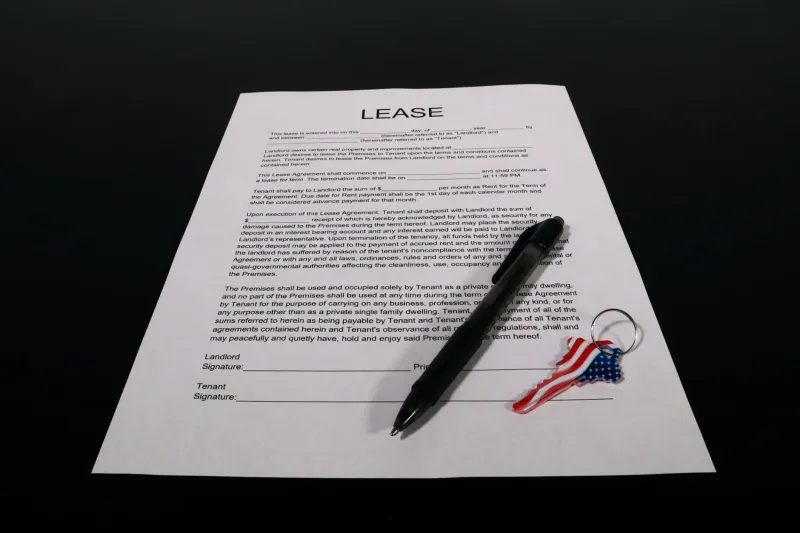
A dutyholder's asbestos register rarely causes a dispute on its own. It is the invoice that follows — the sampling visit, the encapsulation, the removal, the three-week delay to a fit-out — that sends landlord and tenant to their solicitors. In most of those disputes the answer was fixed long before anyone read the register. It sat in the repairing covenant, the service charge schedule, or a licence to alter that nobody re-read after practical completion.
The register states a condition; the lease allocates a consequence
An entry marked 'presumed' means the material has not been sampled. It signals that the duty to manage under the Control of Asbestos Regulations 2012 attaches to the premises, and that someone must hold it. It says nothing whatsoever about funding. Those are two separate questions, and lease drafting frequently blurs them.
Facilities managers often assume that because the landlord carries the duty to manage, the landlord also carries the cost. That is a reasonable assumption and occasionally a correct one — but it is not derived from the regulations. It comes from the lease, and only from the lease.
Three clauses that decide most arguments
The repairing covenant. An obligation to keep premises in repair, or to put and keep them in good condition, has long been read as engaging latent defects once the tenant has notice. A tenant who receives a survey report naming asbestos-containing materials and then signs a full repairing and insuring lease will usually be taken to have accepted the cost of managing them. Pre-contract disclosure shifts the balance decisively.
The service charge schedule. Where the landlord retains the structure and common parts, asbestos work in those areas typically flows into the service charge. Examine whether the schedule references compliance with statutory obligations generally, or enumerates specific regimes. A broad compliance sweep usually captures asbestos management; a tightly drawn list may not.
Alterations and licences. This is where most modern disputes begin. A licence to alter often obliges the tenant to remove asbestos encountered during the works, at the tenant's cost, as a condition of consent. Read the wording carefully for whether the obligation is to remove or merely to manage in situ, and whether it extends to materials outside the demise.
Where the argument actually starts
Disputes cluster around four recurring situations:
- A refurbishment survey commissioned by the tenant reveals asbestos in a riser serving other occupiers.
- An annual landlord inspection finds damage to encapsulation that the tenant's fit-out contractor caused and failed to report.
- A service charge year contains a six-figure removal that the tenant characterises as capital improvement rather than repair.
- A lease ends and the tenant is asked to reinstate, including removal of material that was present at the start of the term.
Each turns on evidence as much as on drafting: who knew, when, and what was recorded at the time.
A pre-signature checklist
Before heads of terms become a lease, put these questions to the other side and obtain written answers.
- Has a management or refurbishment survey been completed, and will it be disclosed to the incoming occupier? Disclosure alters risk allocation more than any single clause.
- Does the repairing obligation extend to latent defects, and is there any asbestos-specific carve-out?
- Does the service charge schedule capture statutory compliance costs, and is asbestos named or merely implied?
- What does the alterations clause say about asbestos met during works, and who funds removal as opposed to management in situ?
- Who holds the duty to manage for each part of the building — demised, shared and structure?
- Is there a reinstatement obligation at lease end, and does it address asbestos?
- Are there caps, exclusions or a schedule of condition that records the asbestos position at grant?
Record the baseline at handover
A schedule of condition supported by dated photographs and a register extract costs very little compared with a dispute. It establishes what was present, and in what condition, on day one. Where entries are marked 'presumed', consider funding a small number of samples before the term begins. The laboratory cost of analysing a handful of materials is trivial against the cost of arguing, years later, about whether something was friable at the outset.
Two habits that prevent most disputes
First, treat the asbestos register and the lease as a single document set. They should be read together at every rent review, every fit-out and every assignment, by someone who understands both.
Second, never leave the allocation of asbestos cost to inference. A short clause naming who commissions surveys, who funds remediation, and how emergency discoveries are handled during occupied hours is worth more than a page of general compliance language. Where existing drafting is silent, a side letter agreed now is far cheaper than litigation later.
The register will always say 'presume' somewhere. The lease should never leave you guessing.