Before the Insulation Goes In: Asbestos Checks That Must Precede UK Retrofit Works

Retrofit activity across the UK is accelerating in 2026. Landlords, housing providers, facilities teams and owner-occupiers are under pressure to improve energy performance, reduce carbon and meet changing building standards. Insulation, glazing, heating and ventilation upgrades are being planned at pace. The commercial logic is clear. The asbestos risk is less so.
The compliance question hiding behind the energy target
Much of the UK building stock predates the widespread use of asbestos. Asbestos-containing materials were used in construction and refurbishment until the UK ban in 1999, and they remain in many buildings. The Control of Asbestos Regulations 2012 place a duty on those responsible for maintenance and repair to manage asbestos. Where refurbishment or demolition is planned, the duty to manage is not enough: the works must be informed by a refurbishment survey.
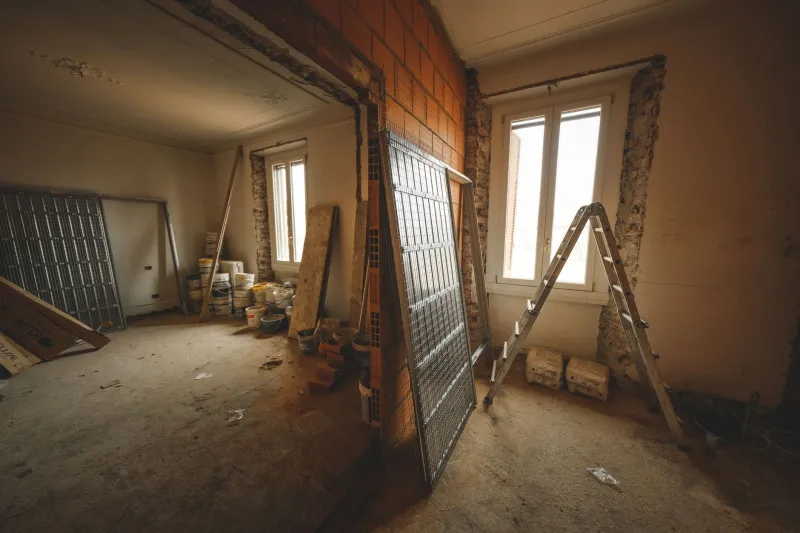
That distinction matters in a retrofit programme. Energy upgrades are not cosmetic. They involve drilling, fixing, cutting, removing and replacing building fabric. Each of those activities can disturb materials that were never intended to be touched.
Why a management survey is not a green light for retrofit
Management surveys are designed for day-to-day occupation and maintenance. They are not fully intrusive. They may presume materials rather than sample every one. They do not open every ceiling void, floor duct or wall. A management survey can support the asbestos register, but it cannot clear an area for invasive work.
HSG264 expects a refurbishment and demolition survey before refurbishment work that will disturb the fabric of a building. The survey should be fully intrusive in the areas affected by the works. If access cannot be achieved, the report should say so, and the dutyholder should treat those areas as presumed to contain asbestos until proven otherwise.
The retrofit interfaces that deserve closest attention
The highest-risk areas are often the points where new measures meet old fabric. They include:
- Loft and roof insulation: loose-fill insulation, lagging to pipes and tanks, ceiling penetrations and asbestos insulating board linings.
- External wall insulation and cladding: fixings through existing render, cement sheets, asbestos insulating board panels, sealants and old cavity barriers.
- Cavity wall insulation: drilling through walls and into cavities can disturb asbestos-containing materials in cavity closers, boards or debris.
- Windows and glazing: asbestos-containing putty, sealants, rope and board around openings.
- Heating and hot water: pipe lagging, boiler flues, gaskets, rope seals and asbestos insulating board in plant rooms.
- Electrical and ventilation: fuse boards, cable ducts, ceiling tiles and risers.
This list is not exhaustive. The lesson is that retrofit design must be read against the building's asbestos history, not treated as a generic installation exercise.
Commission the survey for the works, not just the building
A frequent error is to order a survey before the retrofit scope is defined. The surveyor then inspects the building but not the specific routes, openings and fixing points the works will require. The better sequence is to define the retrofit design and access strategy, then brief the surveyor on every area to be disturbed.
The survey brief should include the proposed works, the methods to be used, the areas to be accessed and the dates by which information is needed. The survey should record no-access areas and limitations. If access cannot be gained before tender, the dutyholder should treat those areas as presumed to contain asbestos and plan accordingly.
What to document before contractors arrive
A retrofit project should not rely on verbal assurances. Before contractors arrive, the dutyholder should be able to produce:
- the current asbestos register and survey report, with drawings showing material locations;
- a clear scope of the retrofit works and the known asbestos interfaces;
- the refurbishment survey findings, including presumed and no-access areas;
- the contractor's method statements and risk assessments;
- permit-to-work or equivalent controls for intrusive work;
- evidence that contractors have seen and understood the asbestos information;
- arrangements for unexpected finds and emergency stop-work;
- removal or encapsulation records where work has already been completed.
Where removal is required, confirm the contractor's licence status and notify the relevant enforcing authority where required. Not all asbestos work is licensable, but all asbestos work requires the right controls, training and supervision.
When the survey finds asbestos
Finding asbestos is not a failure of the retrofit programme. Proceeding without knowing is. If asbestos is found, work in the affected area should stop while the finding is assessed. The options may include removal, encapsulation, repair or a change to the works to avoid disturbance. The asbestos register should be updated, and the decision should be recorded.
Keeping retrofit and compliance in the right order
Energy efficiency and asbestos compliance are not competing objectives. They are sequential. In 2026, the retrofit programme that succeeds is the one that surveys first, plans around the findings and documents the decisions. DG Asbestos Compliance supports dutyholders in getting that sequence right, so that energy improvements do not come at the expense of safety or regulatory control.