Charging Infrastructure, Existing Fabric: A Pre-Installation Asbestos Protocol for UK Estates
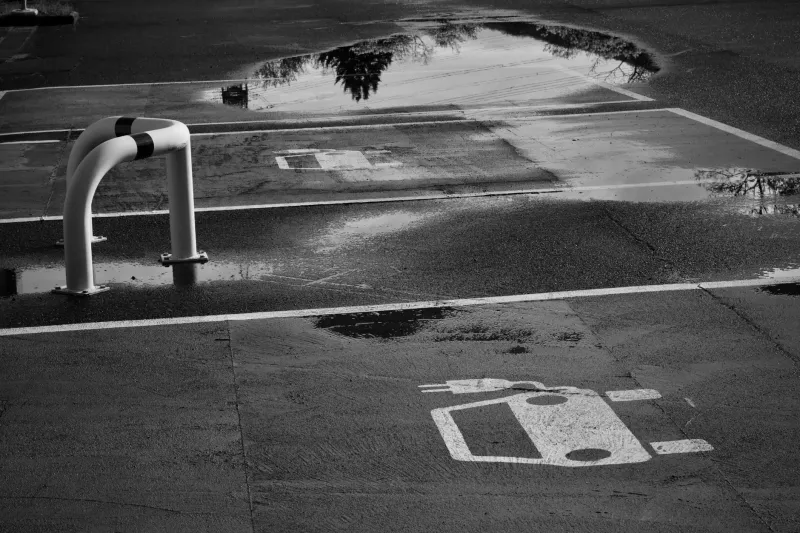
The electrification of commercial car parks is now a routine capital works stream, but the physical reality of an existing UK estate rarely matches the clean lines of an installation drawing. Charge-point projects require cable routes through ceiling voids, fixings into columns and walls, penetrations through fire compartments, and new equipment in plant rooms and service risers. Each of those activities can disturb asbestos-containing materials that remain in buildings constructed or refurbished before the UK ban in 1999. For facilities managers in 2026, the compliance question is not whether an EV charger can be installed. It is whether the installation can be completed, recorded and defended without compromising the duty to manage asbestos under the Control of Asbestos Regulations 2012.
Begin with the cable route, not the charger
A charger schedule is not a survey scope. The useful starting point is the intended route from the low-voltage distribution board to each charge-point position, including containment, isolators, mounting brackets, fire-stopping and any associated builders' work. The facilities team should mark up drawings or a site plan to show where fixings will be made, where ceilings or wall linings will be opened, and where cables will pass through service risers, plant rooms or external fabric.
That route plan should then be compared with the existing asbestos register and survey reports. Where the proposed work is intrusive, a management survey is unlikely to be sufficient on its own because it may not have opened ceiling voids, riser covers or ductwork. A refurbishment and demolition survey, scoped to the actual installation, is normally the appropriate evidence base. The survey should be carried out by a competent asbestos surveyor, with accreditation appropriate to the survey type, and it should expressly cover the areas the electrical contractor will disturb.
Test the survey against the work, not the file
A common weakness in retrofit projects is treating an old survey report as a clearance certificate. It is not. A management survey may record asbestos-containing materials in accessible areas while noting no access to locked risers, ceiling voids or plant enclosures. Those no-access findings matter more, not less, when new cable routes are planned through them.
Before work starts, the project team should check three things: whether the survey covered every penetration and fixing location; whether any areas remain inaccessible; and whether the report's recommendations match the intended method of work. If access cannot be gained without disturbance, the presumption should be that asbestos is present until proven otherwise. The installation method should then avoid the area, or the work should be planned as asbestos removal or remediation under the correct controls. A short written sign-off from the dutyholder, confirming that the survey scope matches the installation scope, is a simple but valuable record.
Give contractors information they can act on
EV installation often involves an electrical contractor, a groundworks or civils contractor, and sometimes a separate containment or fire-stopping specialist. Under CDM 2015, the project should have arrangements for sharing information about asbestos risks between the client, principal designer, principal contractor and trade contractors. In practice, that means issuing an asbestos information pack before mobilisation: the register, relevant survey reports, marked-up route drawings, photographs of known asbestos-containing materials, and clear emergency procedures.
A pre-start meeting should not be a box-ticking exercise. The electrical team should be able to explain how they will check the register before drilling, what they will do if they encounter an unexpected material, and who has authority to stop work. Method statements and risk assessments should refer to the specific asbestos findings for the building, not generic wording. Where work may involve licensed asbestos activities, the contractor must be licensed for that work. Where notifiable non-licensed work is involved, the notification and record-keeping requirements still apply.
Control the point of penetration
The highest-risk moment in many charge-point projects is the first drill hole. A permit-to-work system, or an equivalent documented control, should tie the installation to the asbestos register before any fixing or penetration takes place. The permit should identify the location, the material being penetrated, the control measures, the responsible supervisor and the stop-work trigger. It should also confirm that nearby asbestos-containing materials have been considered, including materials hidden behind linings or within composite panels.
Crews should be briefed to treat unexpected dust, fibres, board fragments or lagging as a stop signal. Work should pause, the area should be secured, and the dutyholder or appointed asbestos manager should be consulted before proceeding. This is not an overreaction. It is the practical expression of the duty to manage and the simplest way to prevent a small installation task from becoming an uncontrolled disturbance event.
Do not overlook plant rooms, risers and external routes
Charge-point installations frequently require new distribution equipment in plant rooms, additional containment in service risers and cable routes along external walls. These areas can contain asbestos lagging, gaskets, cement products, boards and textured coatings. Plant rooms are often congested, and risers may have been altered over many years without full records. External routes can involve drilling into reinforced cement products or disturbing weathered materials.
The survey and method statement should therefore cover the whole installation corridor, not only the visible charger position. Where new equipment will restrict access to known asbestos-containing materials, that should be recorded as a change to the management arrangements. Future maintenance teams need to know that the plant room layout has changed and that access to certain materials is now more constrained.
Close out with evidence
A compliant EV retrofit leaves a paper trail that matches the physical works. The close-out file should include the asbestos survey or presumption rationale, contractor method statements, permit records, drilling and penetration logs, photographs of completed routes, any unexpected findings and the actions taken, waste transfer documentation where relevant, and a completion statement confirming that known asbestos-containing materials were not disturbed. The asbestos register and management plan should be updated to reflect new equipment, changed access and any newly identified materials.
Keep the management plan current
The charge-point rollout will not be the last set of works in the building. Once the cables are energised and the units are live, the asbestos management plan should still make sense to the next contractor who arrives to maintain them. Updated drawings, labels where appropriate, and a clear register entry for the new installation will help ensure that the 2026 charging project does not become a future blind spot. The objective is straightforward: install the infrastructure, preserve the building fabric, and leave evidence that the work was planned with asbestos risk in plain view.