Historic Fabric, Modern Duty: Asbestos Management in Listed UK Buildings
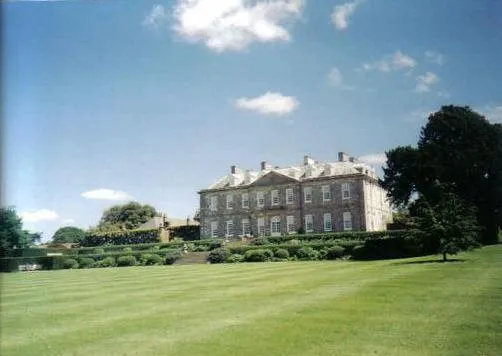
Photo: QuartierLatin1968, CC BY-SA 3.0, via Wikimedia Commons
A listed building is often described as being held in trust for future generations. That language is useful, but it can obscure a more immediate legal reality: the building is also a workplace, a visitor attraction or a commercial premises, and the people who use it are entitled to protection from asbestos. The Control of Asbestos Regulations 2012 do not pause at a historic doorway. The duty to manage continues, however delicate the fabric and however cautious the conservation approach.
The tension is real. Asbestos removal can involve opening walls, lifting floors, stripping pipe lagging and disturbing finishes that are themselves part of the building's significance. Conservation officers rightly ask for minimum intervention. Health and safety regulators rightly ask for risk to be controlled. A defensible strategy does not pretend those priorities are identical; it shows how they have been reconciled.
Listed status is not an exemption
Owners and managers sometimes assume that a listed building is treated differently under asbestos law. It is not. The duty to manage applies to non-domestic premises, and it requires a reasonable and proportionate assessment of asbestos-containing materials, their condition and the likelihood of disturbance.
What changes is the context in which decisions are made. Works that would ordinarily be simple may require listed building consent if they affect the character of the building. Removal of asbestos from a historic ceiling void, for example, may be a straightforward asbestos operation but a more complex heritage question if it requires damaging decorative plaster or historic joinery.
That does not mean removal should be avoided at all costs. It means the decision should be documented. The question is not simply 'is there asbestos?' but 'what is the risk, what are the options, and which option is justified?'
Surveying without harming the fabric
A sensitive survey begins with desk-based research. Existing drawings, previous reports, maintenance records and conservation statements can reduce the need for intrusive inspection. The surveyor should understand which elements are historically significant and which areas can be accessed with least impact.
Non-intrusive inspection should come first. Where sampling is necessary, it should be targeted and agreed in advance. In some historic buildings, a small number of well-chosen samples, supported by presumption and careful recording, will be more appropriate than extensive opening-up. The report should distinguish clearly between sampled materials, strongly presumed materials and areas that could not be accessed.
Access arrangements need particular care. Scaffolding, roof access, service risers and confined spaces may all present constraints. The surveyor should work to a method statement that respects the building's fabric and the conservation officer's expectations. Photographs, marked-up drawings and clear location notes are essential, not incidental. A future contractor should be able to find the material without making new holes to look for it.
When in-situ management is the right answer
Removal is not always the safest or most sensible option. In a historic building, an asbestos-containing material in good condition, in an area of low disturbance, may be better managed in place than removed through significant fabric. Encapsulation, enclosure, labelling and access control can reduce risk while avoiding irreversible damage.
That approach is defensible only when it is evidence-led. The management plan should record the material's condition, its accessibility, the likelihood of disturbance, the occupancy patterns and the arrangements for monitoring. It should also state what would trigger a review: a change of use, a refurbishment, deterioration in condition, or a proposed alteration that brings people closer to the material.
Where removal is necessary, the justification should be proportionate. urgent risk, planned works that cannot be designed around the material, or deterioration that cannot be managed safely are all legitimate reasons. The plan should explain why in-situ management was not adequate in that particular case. Conservation officers are more likely to accept a decision that is reasoned and recorded than one that appears to treat heritage as an afterthought.
Building a defensible management plan
A management plan for a listed building should be more than a register in a folder. It should connect asbestos information to the building's operation and its conservation approach.
The core elements are familiar: an asbestos register, marked drawings, condition assessments, a risk assessment and arrangements for monitoring and review. For a historic building, the plan should also include a conservation statement or heritage impact note where decisions affect significant fabric, records of correspondence with the local planning authority, and a clear audit trail for any decision to retain material in situ.
Contractor management deserves particular attention. Maintenance teams, conservators, events staff and specialist trades may all need access to different parts of the building. The plan should set out induction requirements, permit-to-work arrangements, emergency procedures and a clear route for reporting damage or unexpected discoveries. Labels should be discreet but effective; in visitor areas, alternative methods of identification may be more appropriate than conspicuous signage.
DG Asbestos Compliance treats the listed building as a risk-management problem with a heritage dimension, not a heritage problem with a compliance afterthought. The aim is a plan that satisfies the regulator because it controls exposure, satisfies the conservation officer because it respects significance, and satisfies the owner because it can be operated in practice. That is what defensible management looks like: not a single dramatic decision, but a consistent record of proportionate, informed choices.